
Galle, Sri Lanka – Things to Do in (Galle • Galle Fort • Galle Sri Lanka)

Galle is the south coast’s cultural showpiece—an old trading port wrapped in golden ramparts, boutique cafés, and ocean views. Its heart is Galle Fort, a living, UNESCO-listed town where European urban planning and South Asian traditions meet.
1) Walk the Galle Fort ramparts at golden hour
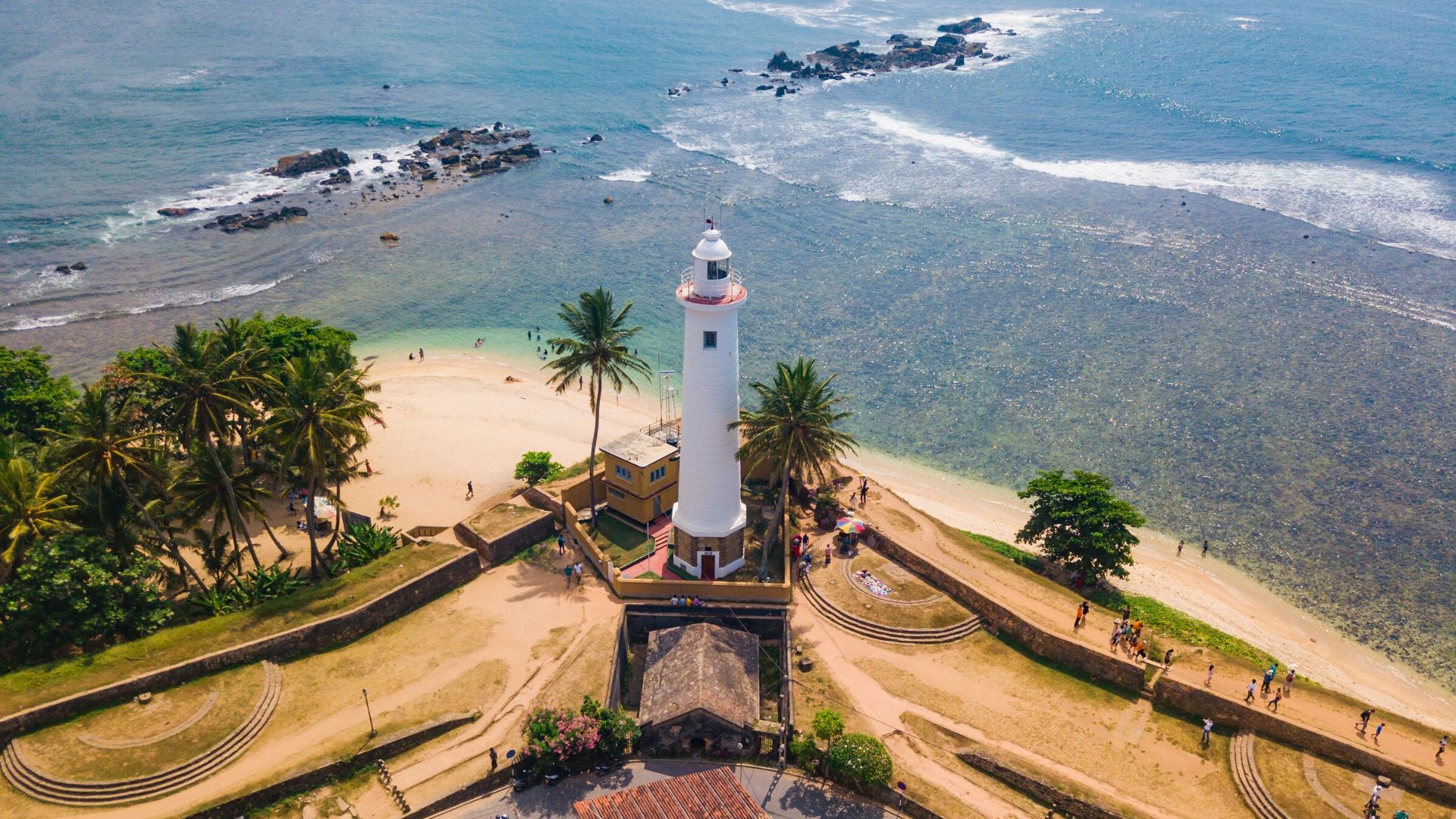
Circle the walls from the Clock Tower to Flag Rock Bastion. Aim for sunset at the Galle Lighthouse—it’s the Fort’s most photogenic corner and perfect for sea breezes and photos. The Fort itself is free to enter; individual sites and museums may have small fees.
2) Dip into history: churches, mosques & temples
Within a few blocks you can visit the Dutch Reformed (Groote Kerk), All Saints’ Church, Meeran Mosque, and Sri Sudharmalaya temple—proof of the Fort’s multi-faith heritage. Dress modestly when entering places of worship.
3) Museum-hop inside the Fort
National Museum of Galle (the Fort’s oldest Dutch building) showcases southern Sri Lankan heritage.
Maritime Archaeology Museum (in the old Dutch warehouse) tells shipwreck and spice-route stories.
Check hours locally; the Fort is always open, but museum schedules and entry fees can change.
4) Eat, shop & linger at the Old Dutch Hospital
This beautifully restored 17th-century complex is now a breezy dining and shopping precinct with colonnaded verandas and courtyards—great for coffee or dinner after your rampart walk.
5) Beach-hop nearby
Base in the Fort, then day-trip to Unawatuna, Dalawella, or Jungle Beach (Rumassala) for swimming and snorkelling when seas are calm. (Conditions vary—always follow local advice.)
6) Take a day trip to see whales (in season)
From Mirissa (about an hour south), dawn boats go out to spot blue and sperm whales. Peak season typically runs November–April when seas are calmer—go early.
7) Catch a cricket match
If you’re in town when there’s a fixture at the Galle International Stadium, it’s one of the world’s most scenic grounds to watch the game—ringed by ramparts and the Indian Ocean. Check upcoming fixtures.
8) Browse design boutiques & galleries
Pedlar Street and the lanes around the Fort brim with local crafts, textiles, and contemporary design—part of a wider creative scene blossoming along the south coast.
Practical guide to Galle, Sri Lanka
When to go
For the south-west coast (Galle), the driest stretch is generally November–April; May–August brings the Yala monsoon and rougher seas, with shoulder “inter-monsoon” spells around Oct–Nov.
Getting there
By train: Coastal Line from Colombo Fort → Galle (about 2–3 hours on typical services, with ocean views).
By road: The E01 Southern Expressway links Colombo to Galle; private transfers usually take around 2–2.5 hours depending on traffic.
Essential tips
The Fort is a living neighbourhood—walk gently, stay hydrated, and mind uneven stones.
Sun is strong year-round: hat, sunscreen, and light clothing help.
Dress modestly for religious sites (shoulders/knees covered).
Swimming: currents can be strong on open beaches; follow flags and local guidance.
Sample 1-day itinerary
Morning – Coffee inside the Old Dutch Hospital, explore lanes, churches, and the National Museum.
Sunset – Rampart walk to the Lighthouse and Flag Rock.
Dinner – Stay inside the Fort or slip to Unawatuna/Dalawella for a beachside meal.
FAQs
Is Galle Fort free?
Yes—the Fort is free to enter. Individual museums may charge small fees.
How long should I stay?
A full day covers the highlights; 1–2 nights lets you add beaches, museums, or a Mirissa whale trip in season.
Is Galle Fort really UNESCO-listed?
Yes—Old Town of Galle and its Fortifications is an official UNESCO World Heritage Site.